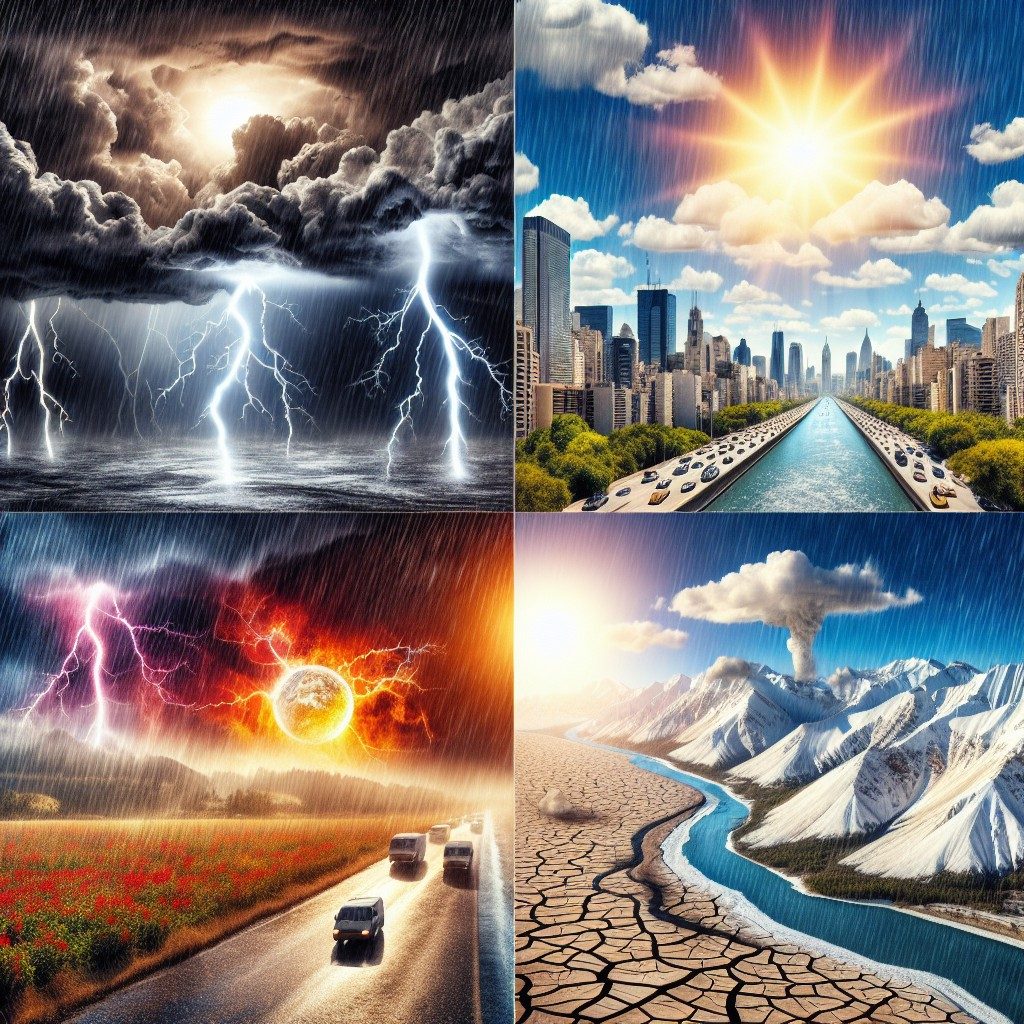
As the global climate continues to change at an unprecedented rate, climate scientists are making alarming predictions about the weather patterns expected to unfold in 2026. This Climate Analysis seeks to unpack these predictions, exploring the potential impacts on societies, economies, and ecosystems worldwide.
Unprecedented Temperature Increases
Forecasts indicate that by 2026, average global temperatures could rise by as much as 1.5 degrees Celsius above pre-industrial levels. This increase is primarily attributed to greenhouse gas emissions that are continuing to rise despite international efforts to curb them. Such a temperature rise can lead to more frequent and intense heatwaves, which pose significant risks to human health and productivity. Cities, particularly those located in warmer climates, may face severe strain on their water supplies and energy resources.
Altered Precipitation Patterns
In addition to rising temperatures, climate models project significant alterations in precipitation patterns across the globe. Some regions, especially in tropical and subtropical areas, may experience increased rainfall, leading to the potential for flooding and other natural disasters. Conversely, arid areas could face intensified droughts, exacerbating food and water shortages. This shift in rainfall can have dire consequences for agriculture, impacting food security and price stability worldwide.
The Impact on Biodiversity
The predictions from this comprehensive climate analysis also point to severe implications for biodiversity. As habitats are altered by changing weather patterns, many species may struggle to adapt, leading to increased extinction rates. With ecosystems in flux, the loss of biodiversity could compromise the resilience of these systems, affecting everything from pollination to natural pest control. The impact on coastal areas is particularly concerning, where rising sea levels threaten both marine and terrestrial ecosystems.
Conclusion: Preparing for a Climate-Reality Future
As we approach 2026, the pressing findings from current climate analysis stress the importance of immediate action. Governments, businesses, and individuals must prioritize sustainability and climate adaptation strategies. Without a concerted effort to mitigate the impending impacts of climate change, the human and environmental costs could be catastrophic. The need for innovative solutions and policies has never been more urgent as we navigate this unprecedented climate landscape.
Frequently Asked Questions about Climate Analysis
What is the significance of the 2026 predictions in climate analysis?
The 2026 predictions highlight potential severe weather patterns that could have serious consequences for life on Earth, emphasizing the immediate need for action in climate policy.
How does climate analysis help in understanding future weather patterns?
Climate analysis utilizes data modeling to forecast climate changes, helping predict future weather patterns and enabling preparations for adverse effects.
Why are temperature increases a critical focus in climate analysis?
Temperature increases are a focal point because they are linked to numerous climate change impacts, including health issues, extreme weather events, and ecosystem changes.
Can climate analysis predict the effects of climate change on agriculture?
Yes, climate analysis can provide insights into how changing weather patterns and temperatures will affect agricultural productivity and food security.
In what ways can individuals contribute to climate analysis initiatives?
Individuals can contribute by reducing their carbon footprint, supporting sustainable practices, and staying informed about climate issues, which in turn enhances collective climate analysis efforts.