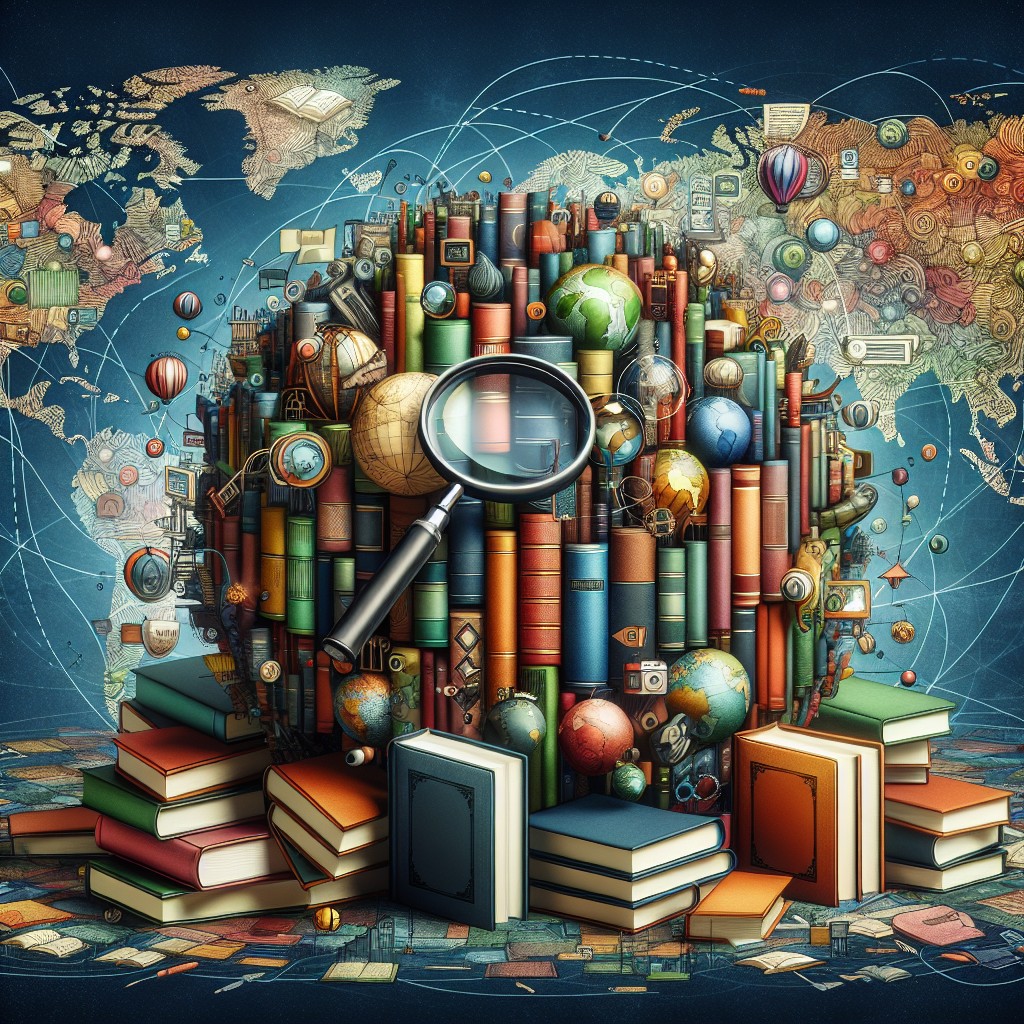
In an era dominated by digital technologies and machine learning, the way readers encounter new books has profoundly evolved. While algorithms on major platforms suggest options based on previous readings or popular trends, many readers are turning to diverse strategies to find quality literature beyond digital recommendations.
The limitations of algorithmic recommendations
Most online bookstores and reading apps rely heavily on algorithms to recommend books, analyzing user data such as purchase history, ratings, and browsing habits. Although these systems are efficient in offering personalized suggestions, they have limitations. Algorithms can create echo chambers, confining readers to a narrow range of genres or authors similar to their past choices. This can hinder exposure to innovative or less commercial works that may better satisfy a reader’s evolving interests.
Role of independent bookstores and expert curators
Independent bookstores have seen a resurgence as key players in book discovery. Knowledgeable booksellers provide personalized recommendations grounded in a deep understanding of literature and reader preferences. Their curated selections often highlight emerging authors and niche genres overlooked by automated systems. Expert curation offers a human touch, incorporating cultural context and literary merit into book discovery.
Community influence and peer recommendations
Beyond algorithmic suggestions, readers increasingly rely on community networks for discovering quality books. Book clubs, social media groups, and literary forums foster discussions that expose participants to diverse opinions and titles. Peer recommendations can challenge algorithmic biases by introducing unexpected choices. Platforms such as Goodreads and Reddit have robust communities where readers exchange detailed reviews and insights, enhancing the quality of book discovery through collective intelligence.
Traditional media and literary awards’ impact
Mainstream media outlets and literary awards continue to play a significant role in shaping interest in new books. Reviews published in newspapers and magazines often reach audiences beyond algorithmic reach and provide in-depth critical analysis. Prestigious prizes like the Booker Prize or the National Book Award generate heightened visibility and credibility for winning titles, attracting readers seeking quality beyond popularity metrics. Such recognition encourages book discovery through vetted literary excellence.
Hybrid models combining technology and human expertise
Some platforms are exploring hybrid approaches that integrate algorithmic recommendations with expert input and community feedback. By balancing data-driven insights with human judgment, these models aim to broaden readers’ horizons without sacrificing personalization. For example, certain subscription services and curated reading lists combine machine suggestions with editorial selections to promote diverse and quality reading experiences. This approach reflects an ongoing effort to improve book discovery amid the complexities of digital consumption.
In conclusion, while algorithms remain a powerful tool for guiding readers, they are not the sole avenue for book discovery today. Independent booksellers, community recommendations, trusted media, and emerging hybrid platforms all contribute to helping readers find quality literature beyond automated suggestions. As the landscape evolves, a multifaceted approach to book discovery is likely to provide richer and more diverse reading experiences for audiences worldwide.
Frequently Asked Questions about book discovery
What is book discovery, and why is it important?
Book discovery refers to the process through which readers find new books to read. It is important because it influences reading habits and helps connect audiences with works that match their interests or introduce them to fresh perspectives.
How do algorithms influence book discovery?
Algorithms analyze user data to recommend books based on past behavior, helping readers find titles that align with their tastes. However, they may limit exposure to diverse or lesser-known works.
Can book discovery happen without technology?
Yes, book discovery can occur through personal recommendations, independent bookstores, literary awards, and traditional media, all of which play a significant role beyond technological tools.
What role do independent bookstores play in book discovery?
Independent bookstores offer personalized advice and curated selections that guide readers to quality books, often highlighting authors and genres that algorithms may overlook.
Are hybrid models effective for book discovery?
Hybrid models blending algorithms with human curation and community input aim to enhance book discovery by providing personalized yet diverse recommendations that transcend the limitations of purely algorithmic systems.
Discover more on book discovery through trusted sources like major news outlets that explore current trends in literature.